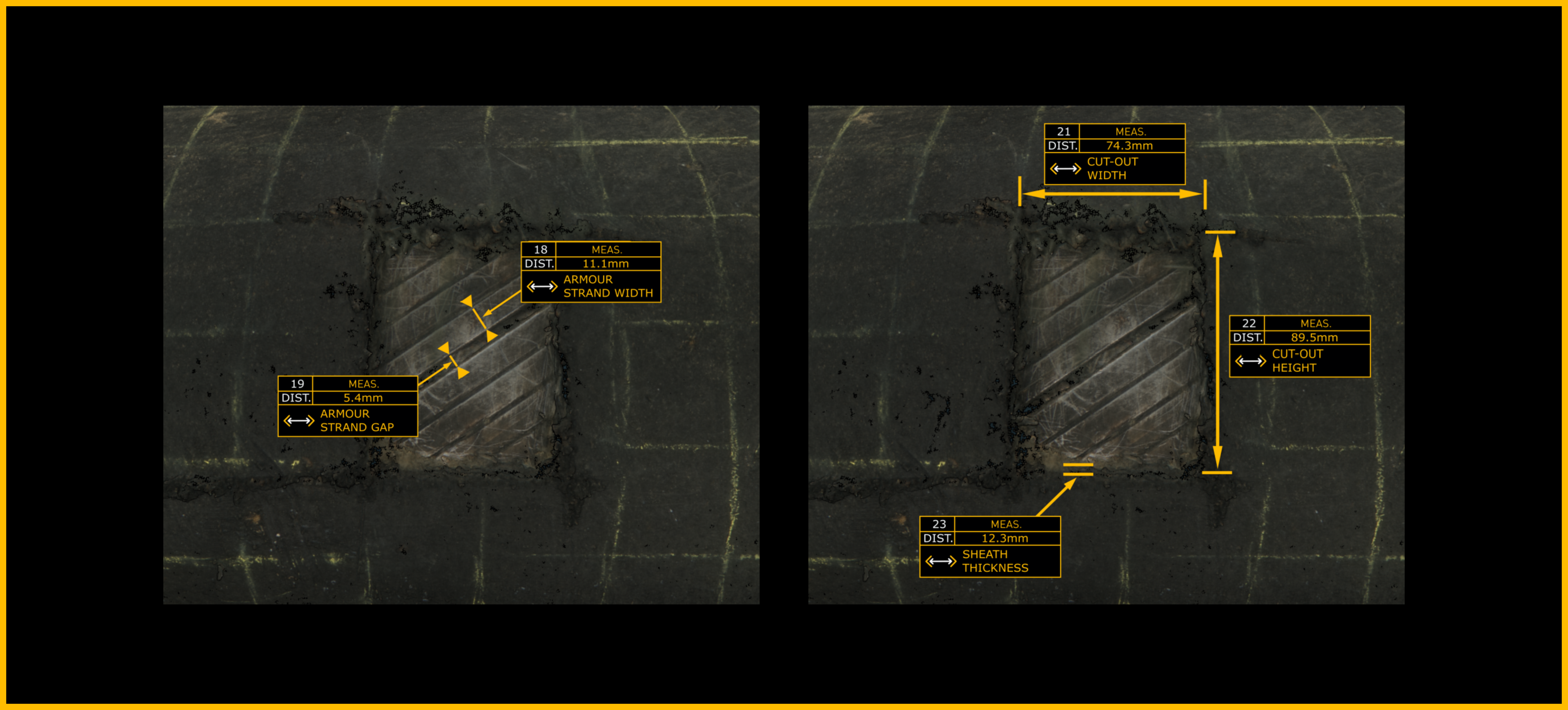
A returning customer from Holland approached Viewport3 with a request to examine damage to a flexible riser following discovery of a ‘bubble-stream’ which had been discovered during regular subsea inspection activities. The customer’s approach was tentative, based on their understanding that the poor visibility at the 6-metre deep worksite would negate 3D data collection.
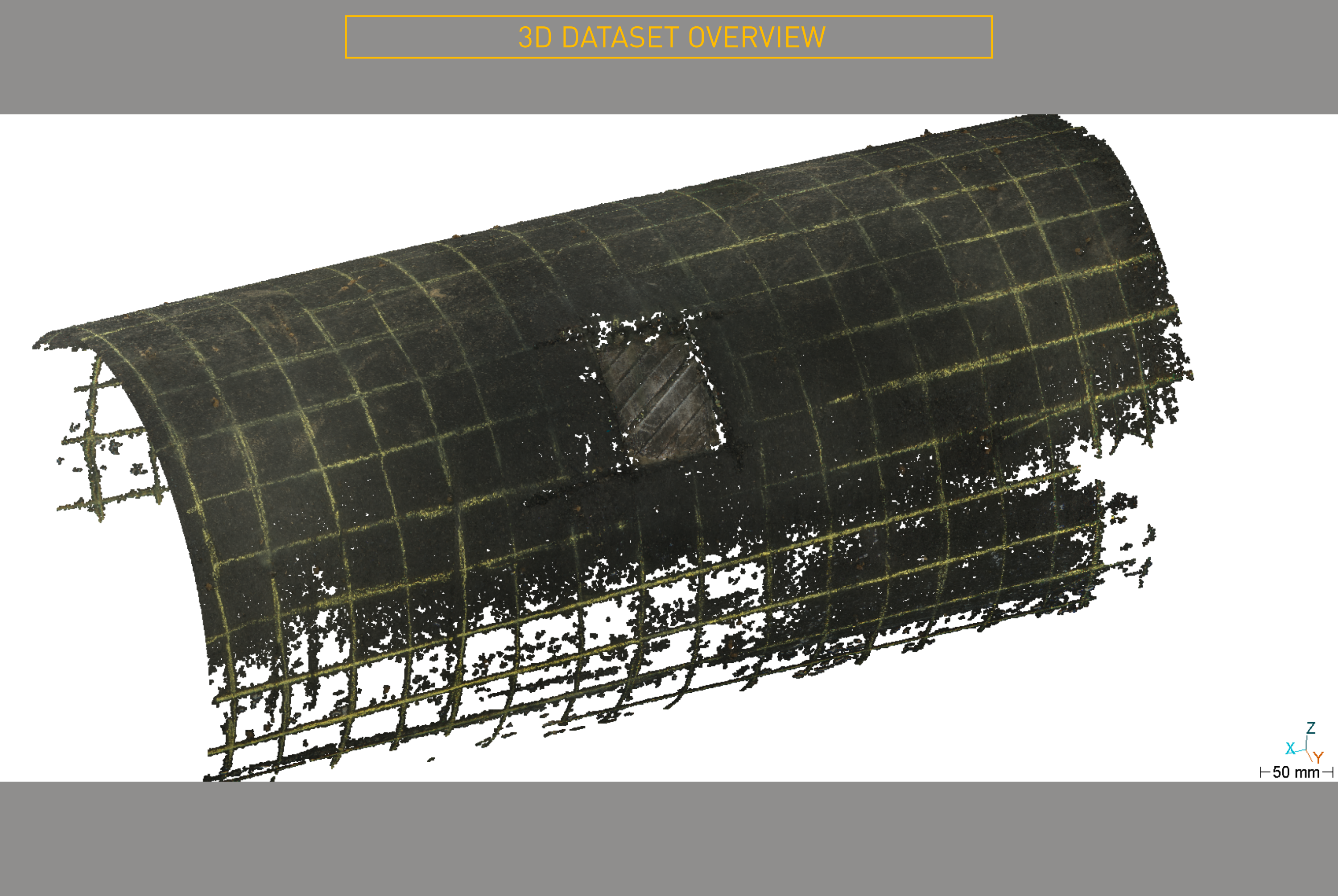
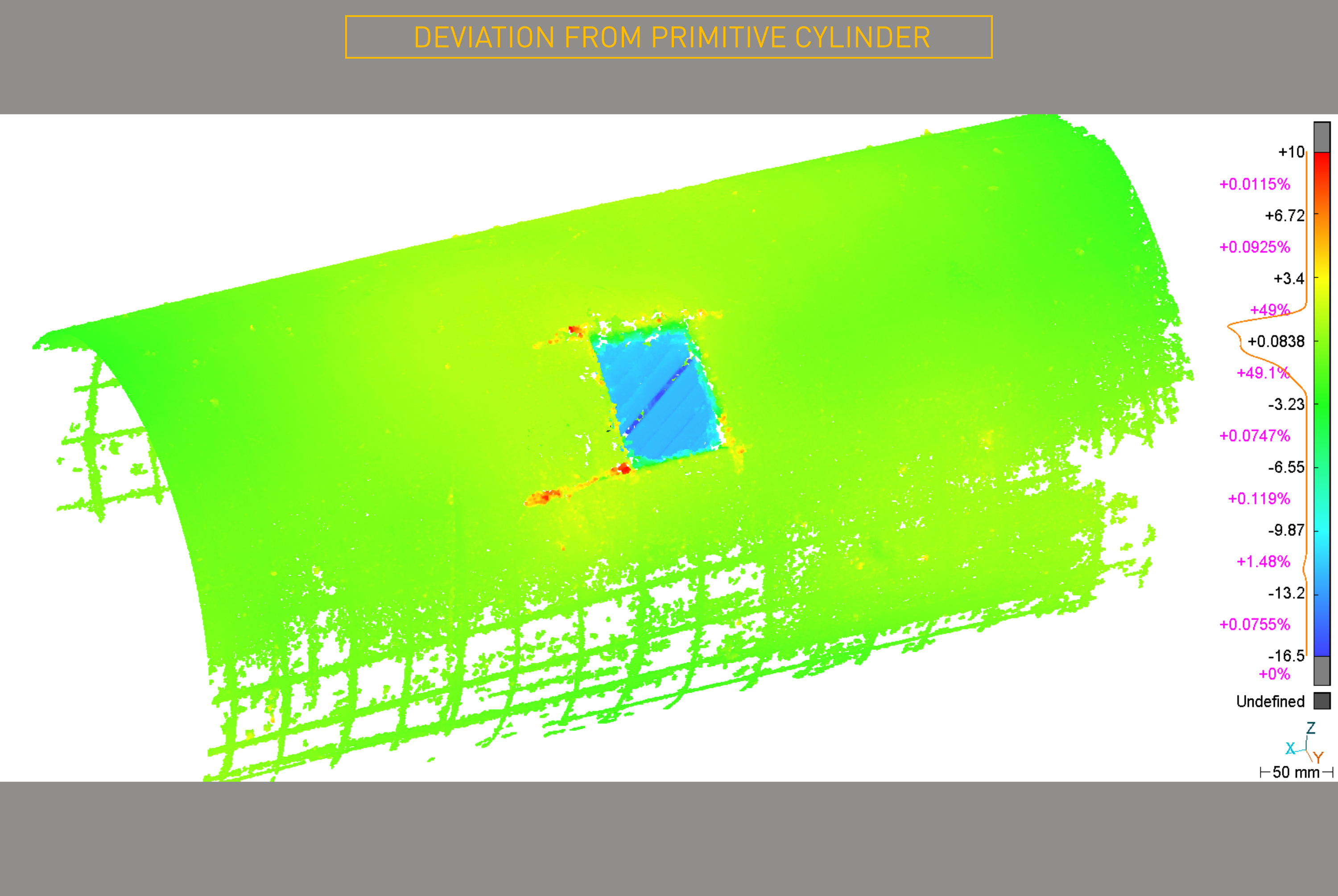
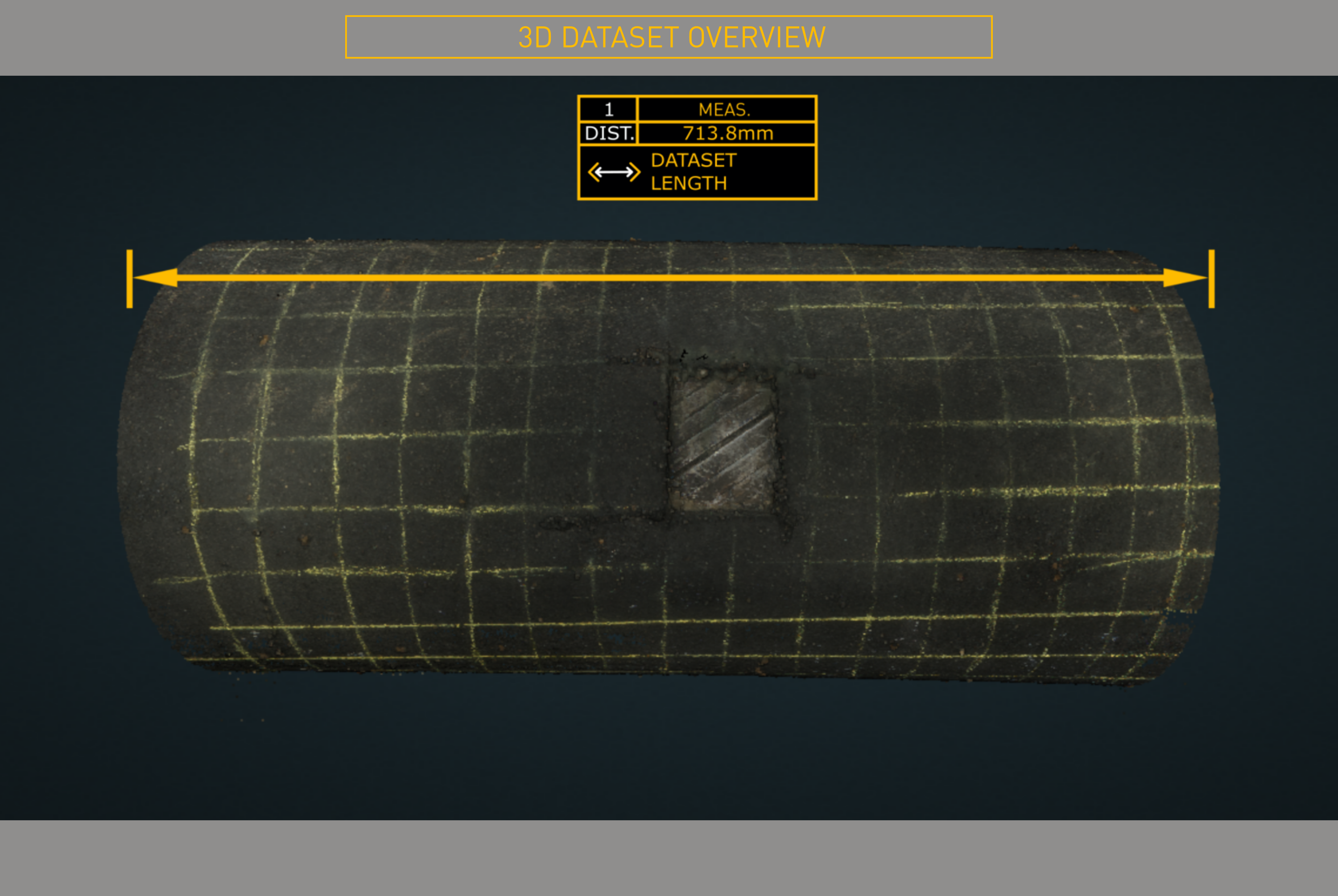
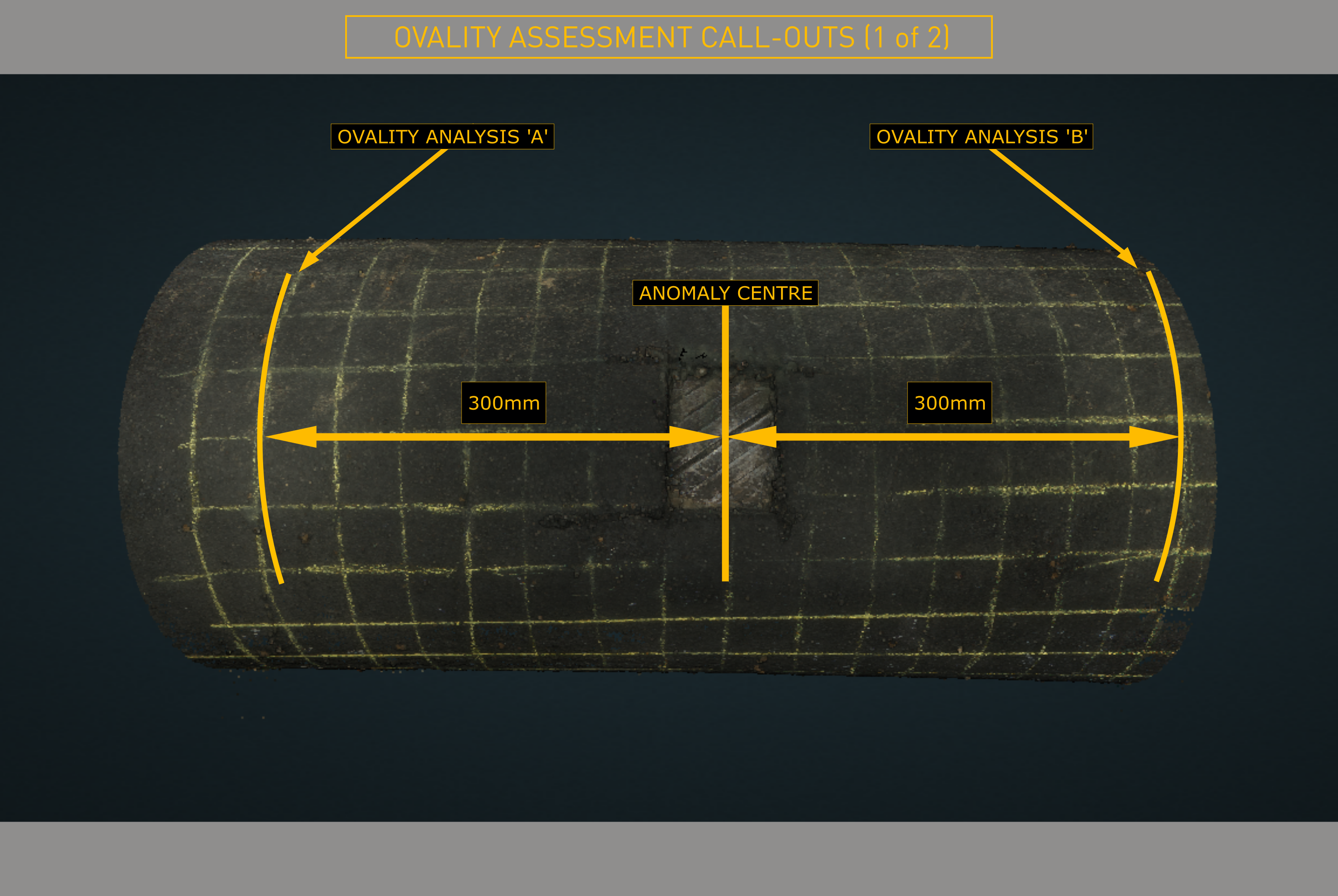
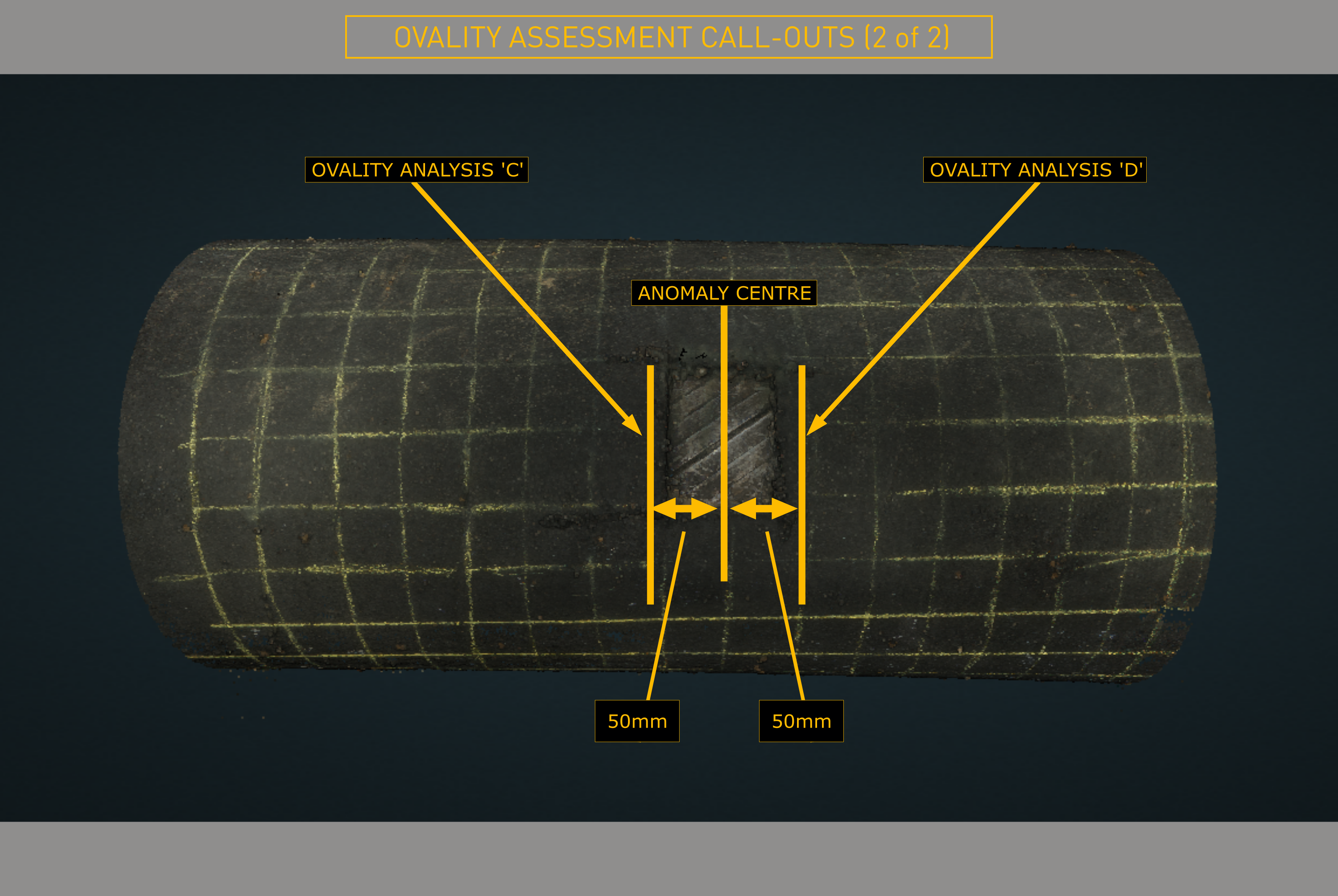


Viewport3 quickly confirmed that the in-water visibility was indeed a challenge, but one that could be overcome by using specialised lighting techniques which were easier to enact by diver than by ROV. As such, the assigned diver travelled to Viewport3 premises in the UK for job-specific training. This training used a mock-up of the target hardware in significantly turbid water. The diver was shown how to adjust the lighting and camera settings to deal with ever-changing levels of visibility.
A diver-imaging spread was then mobilised to the vessel. During the data collection, the diver reported visibility as low as 6 inches during some dives. By relying on his turbid-water training however, he was able to collect enough high-quality images to create a detailed and reliable 3D shape by closely following the Viewport3 provided procedure. Following Viewport3’s examination of the data, he was very pleased to be told that he had ‘knocked it out the park’!
Prior to the 3D scanning activity, the diver had cut the flexible outer sheath from the flexible in order to reveal the layer of armour immediately beneath. This allowed the Viewport3 team to measure the armour gaps at the anomalous area, as well as at an area which was unaffected, for comparison purposes.
