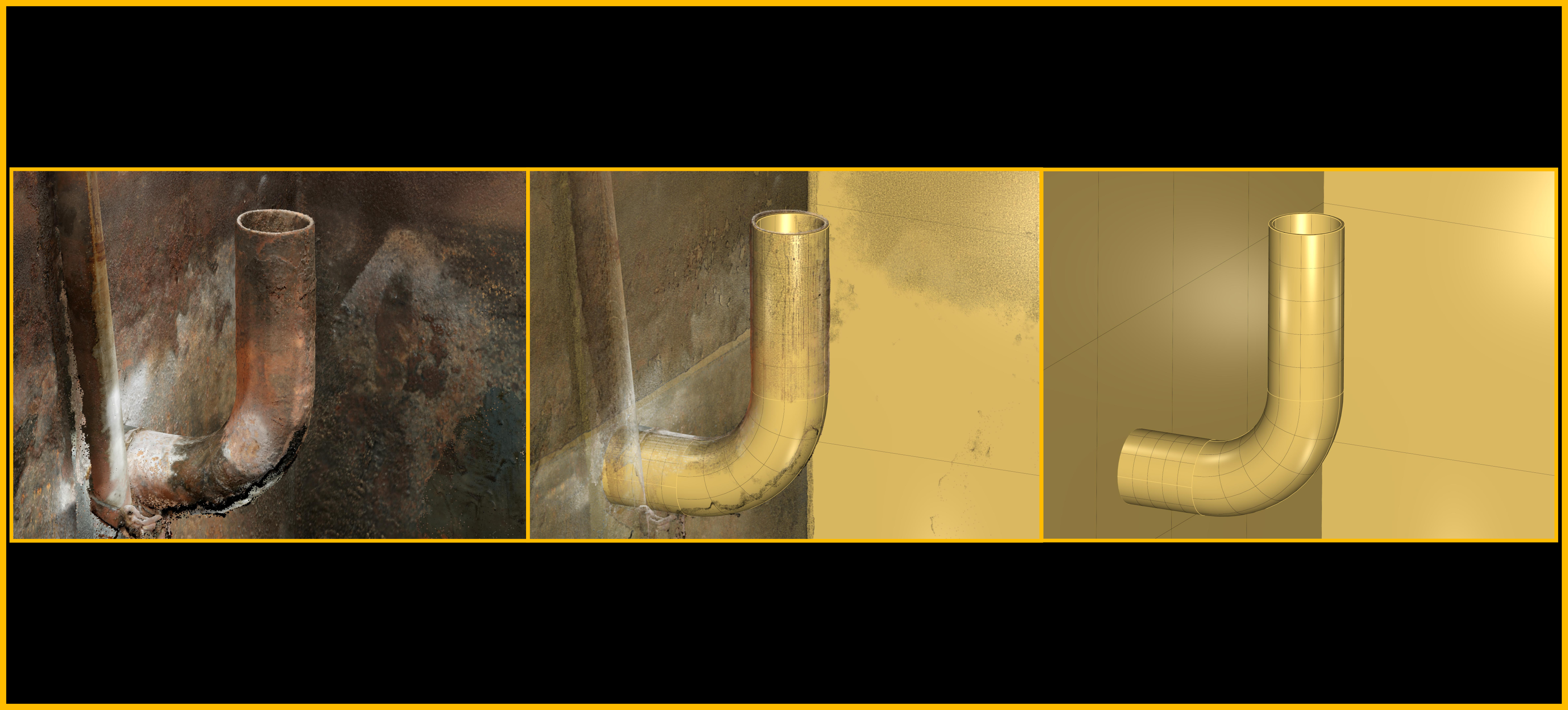
A North Sea service company detailed a need to replace a liquid waste separator. With the unit in constant use, the preference to send the unit to the fabricator to allow a ‘like-for-like’ measurement and fabrication campaign was negated, with a maximum preferred ‘out-of-service’ duration of 3 days being requested.
This led our partner to request that the unit be scanned in-situ, and the data converted into ‘workshop-ready’ fabrication drawings.
This wasn’t a scanning problem, it was a dimensional certainty problem — one ideally suited to our point cloud to CAD reverse engineering capabilities.
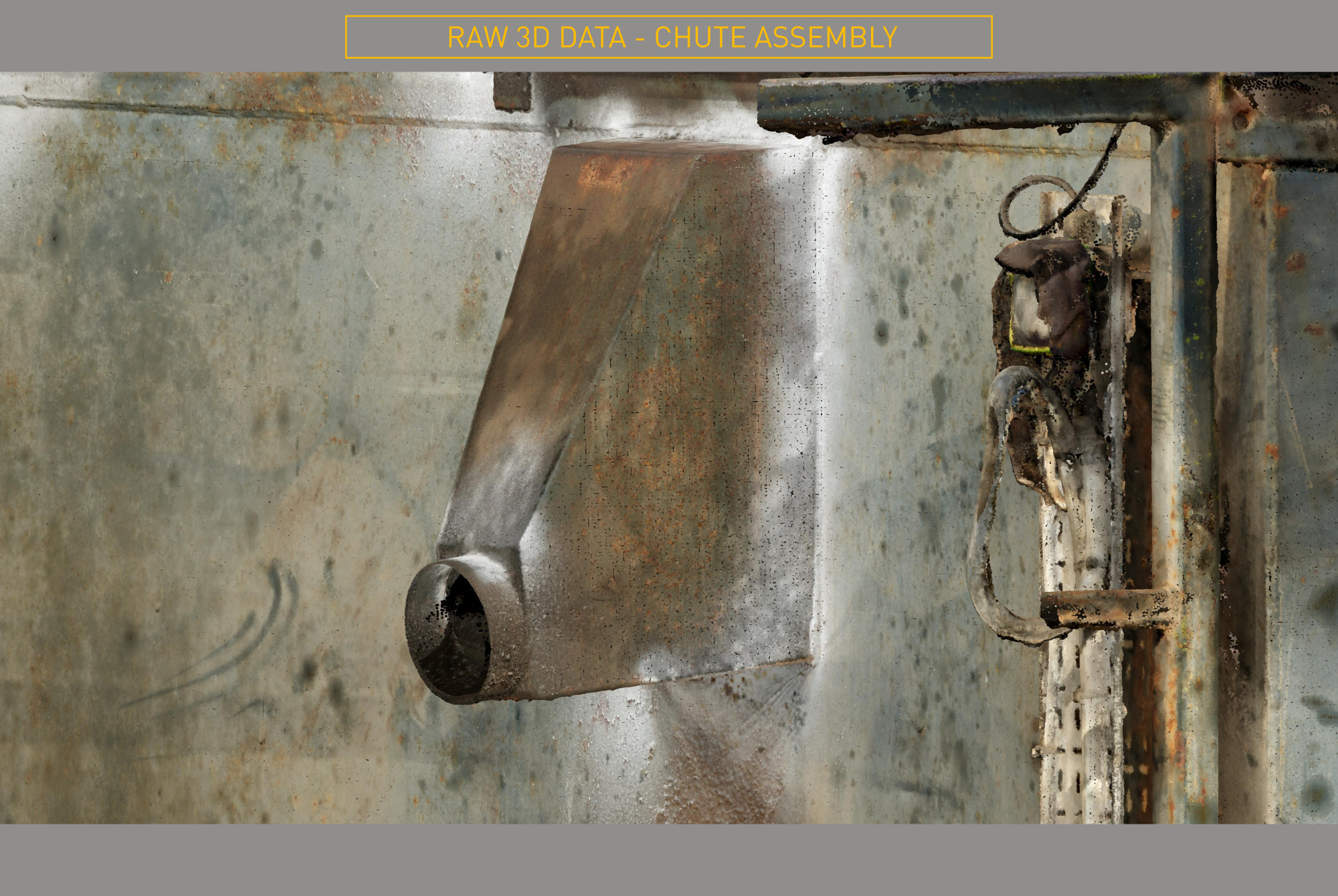
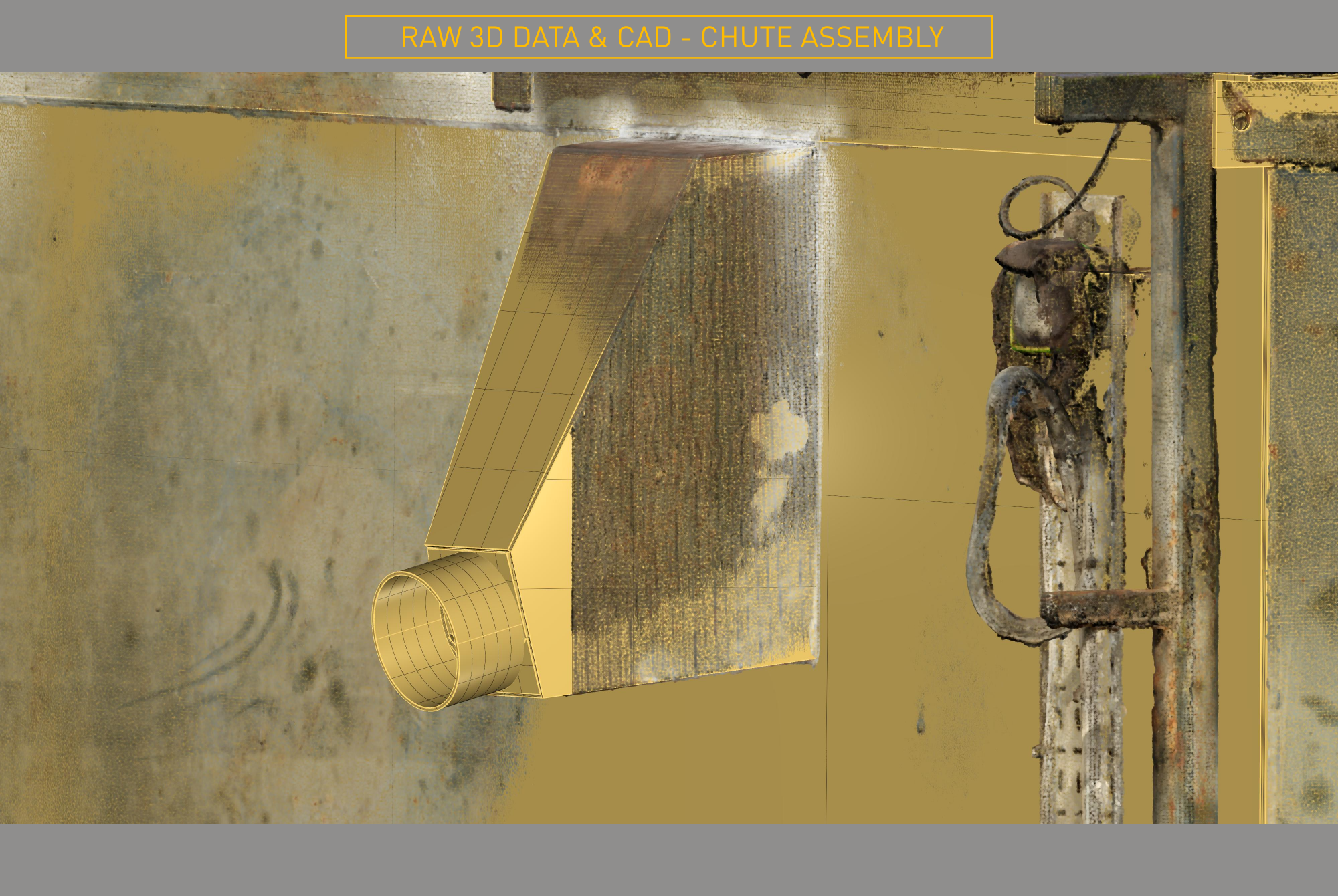
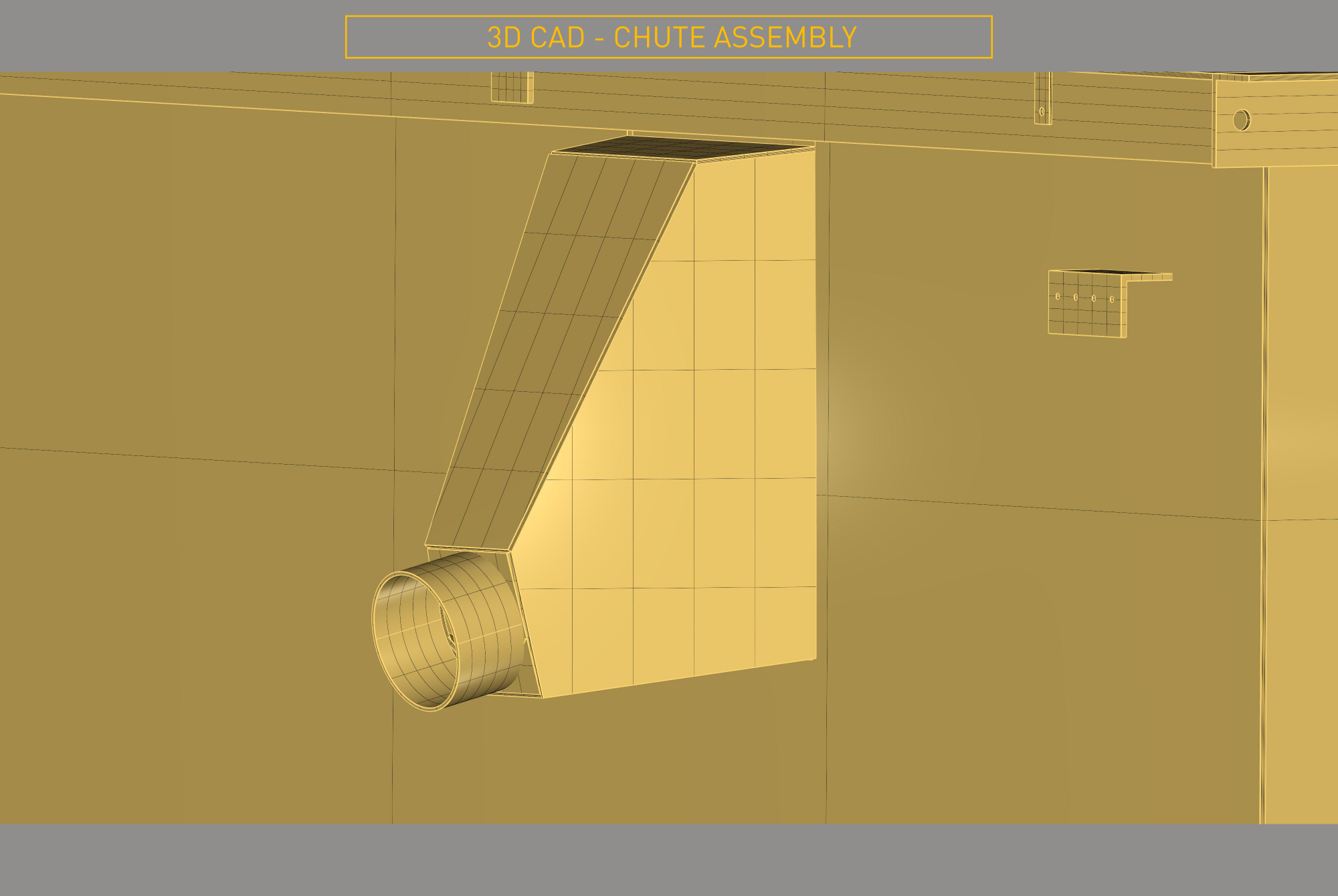
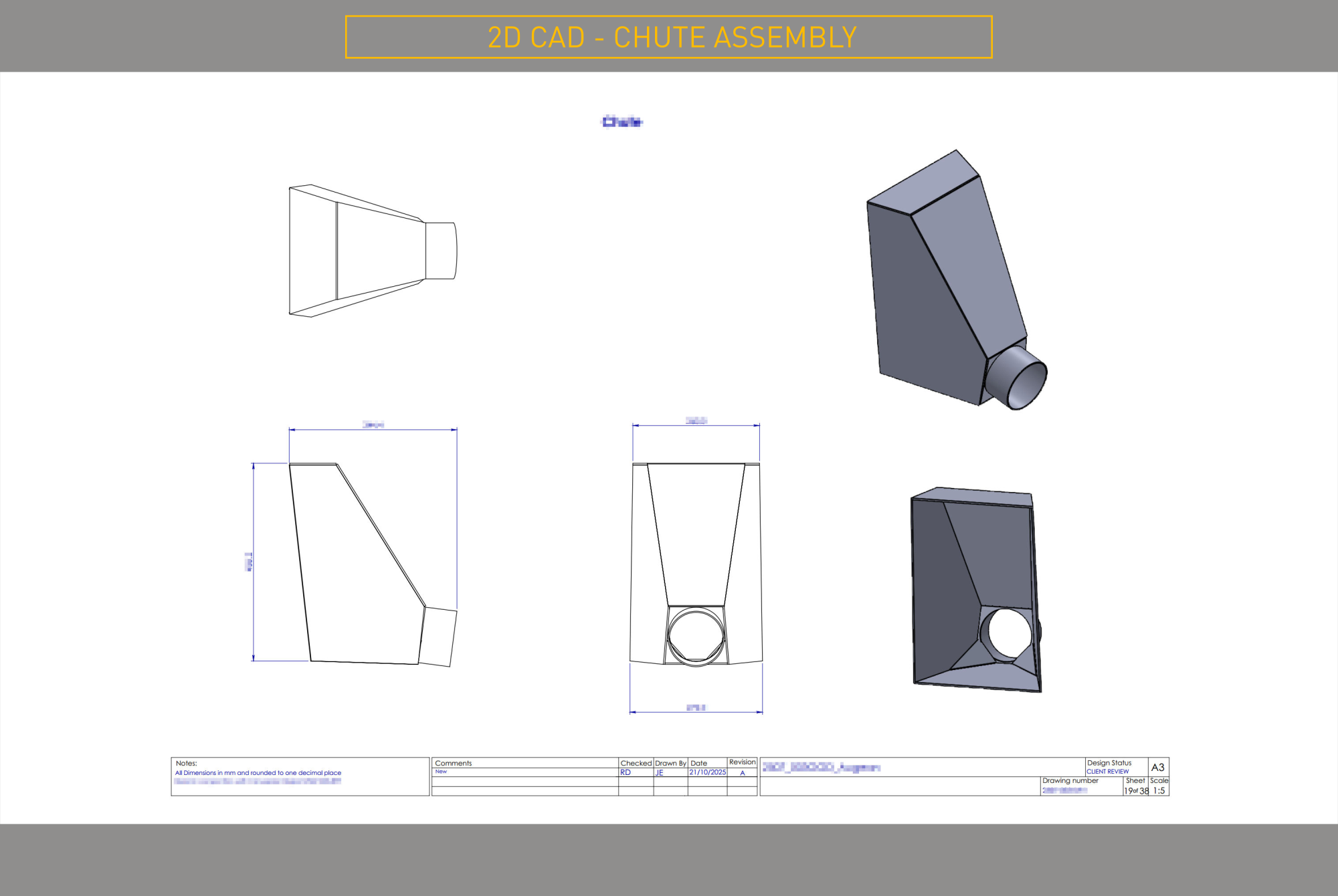
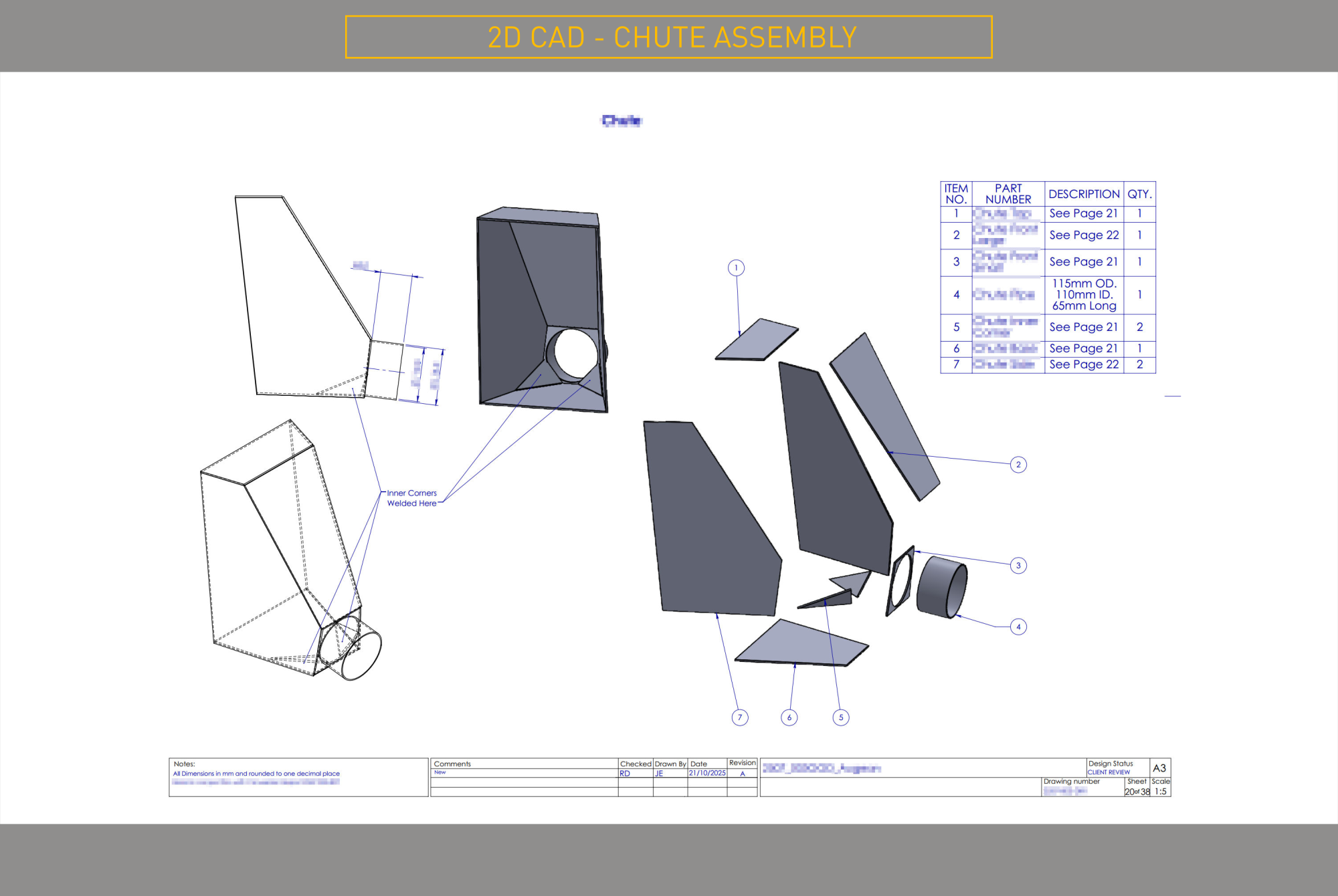
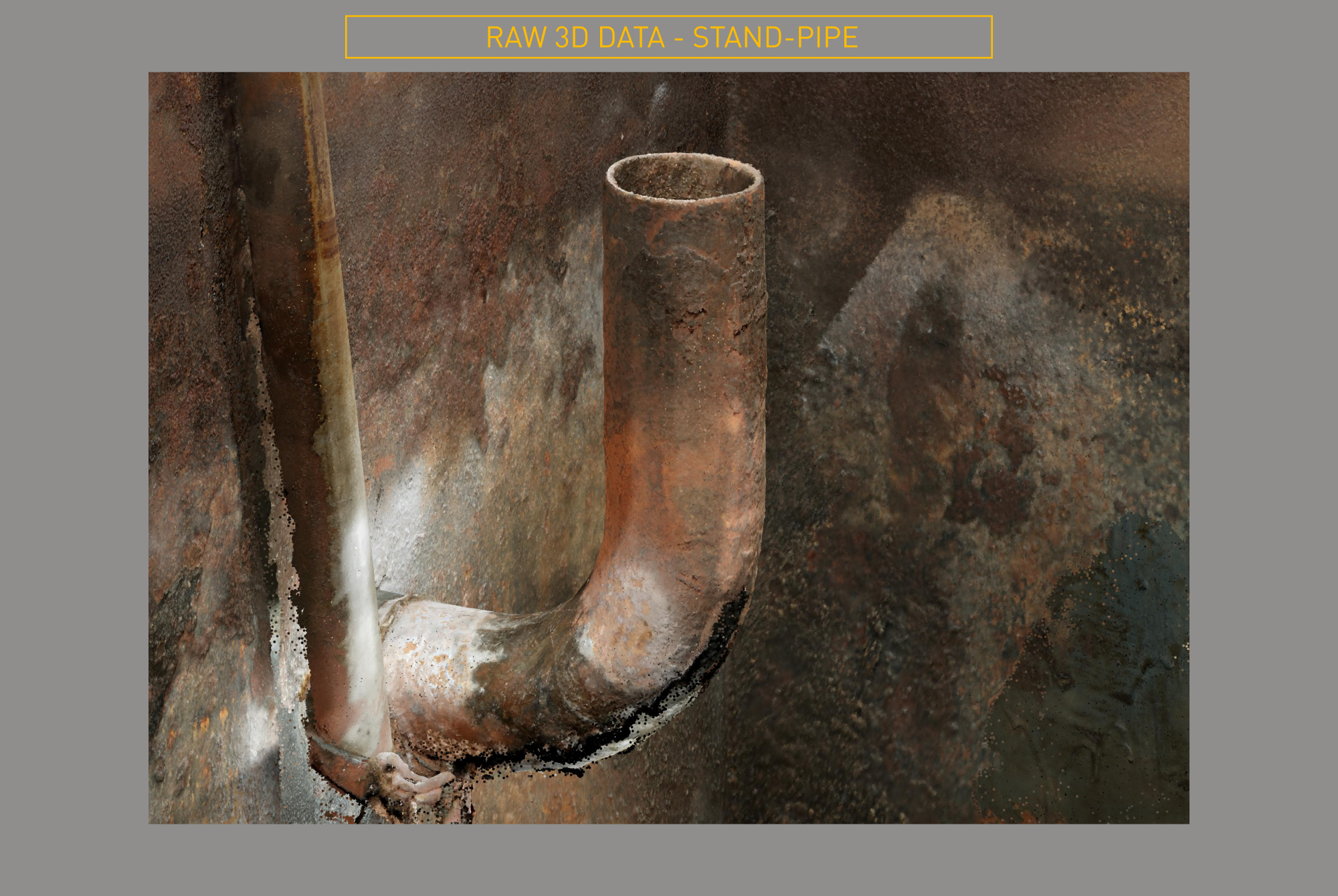
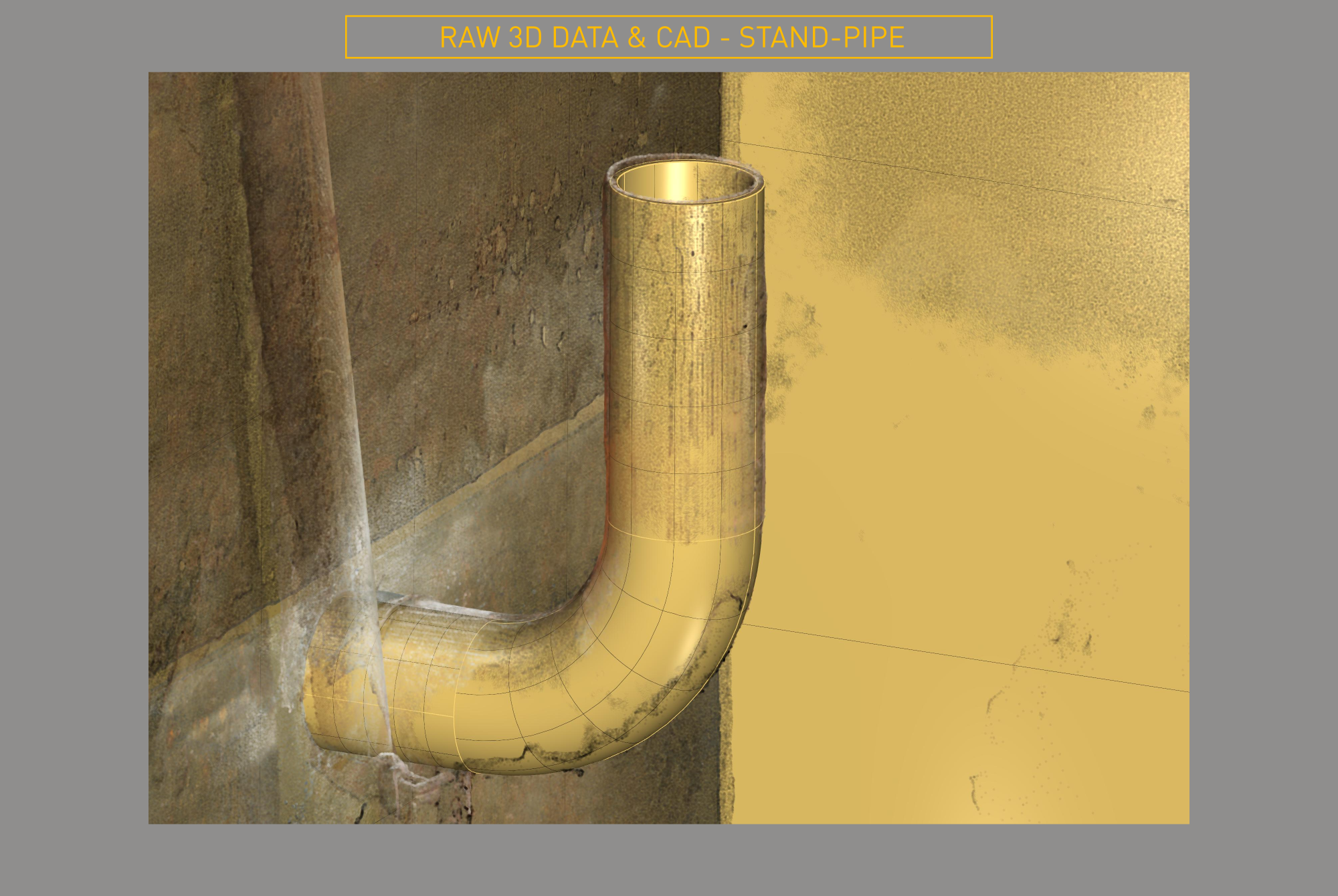
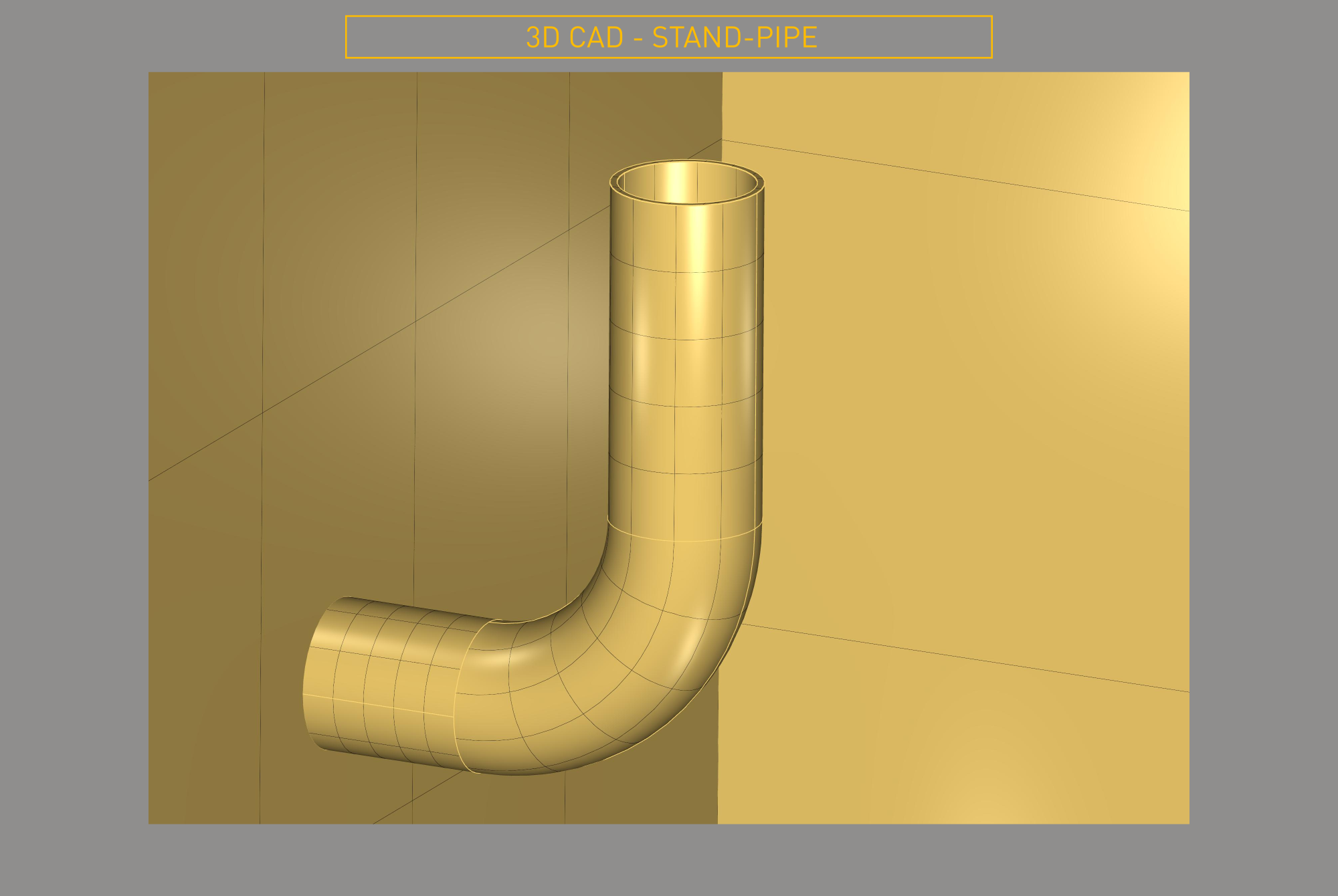
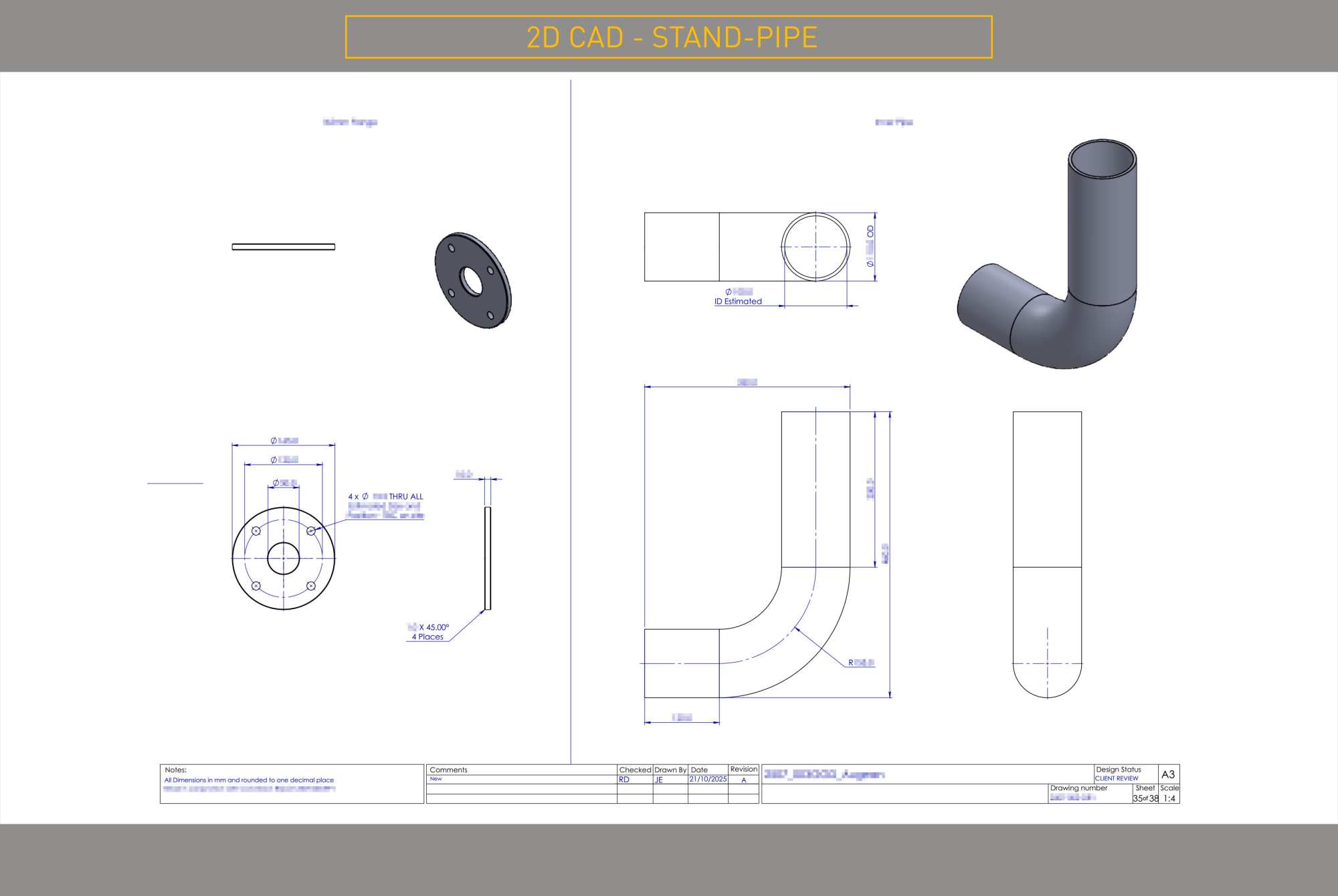
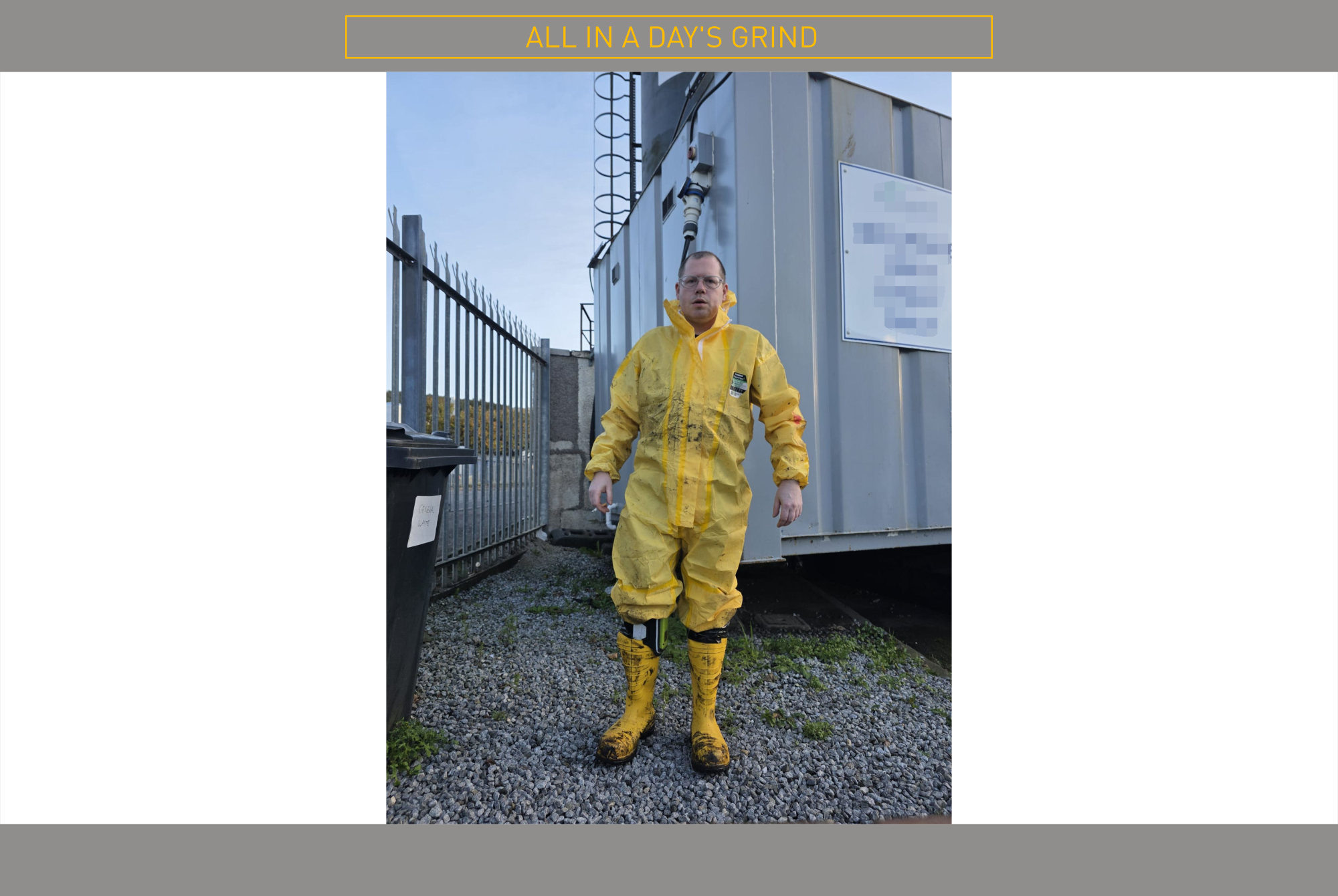
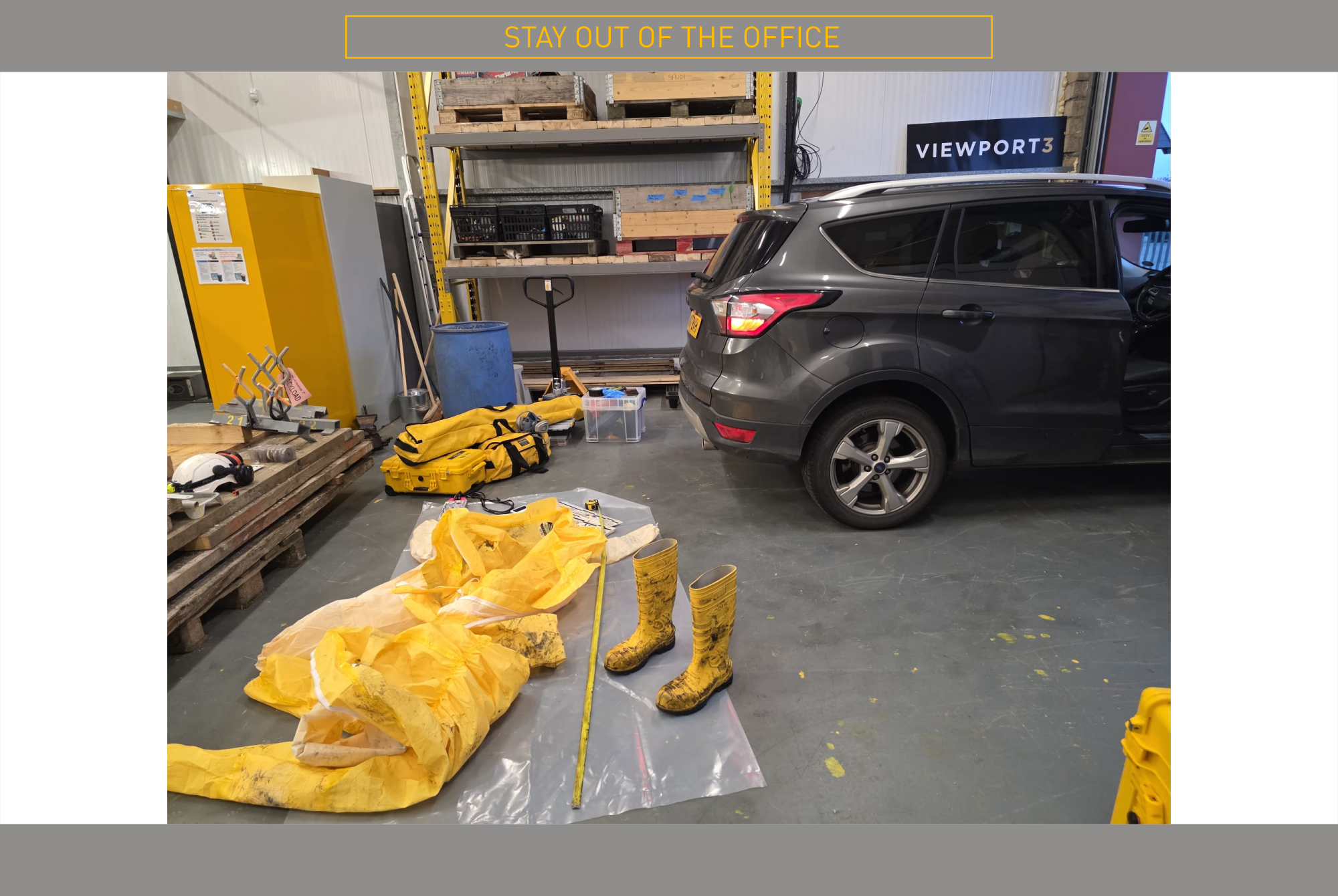
Viewport3 was contracted to deliver engineering grade dimensional assurance, capturing the asset in situ and converting it directly into CAD and fabrication-ready outputs.
To ensure data quality and long-term auditability:
The capture operations took a total of ten hours, helping to avoid an unnecessarily long disruption to operations.
The photogrammetry dataset was processed into a ultra high-fidelity 3D model and analysed using reverse-engineering techniques suited to fabricated process equipment.
From this, Viewport3 produced:
The deliverables were engineered for fabrication, pursuant to the engineering experience of the Viewport3 team.
During a visit to the fabricator’s yard a few weeks later, our Director Richard was invited to examine progress on the fabrication work, and was pleased to see the final product coming to life. The 3D scan-to-CAD process enabled the workflow requested by the end-client and the preference to minimise the downtime was enabled.
By delivering verifiable, fabrication-ready 2D drawings, Viewport3 enabled:
This project demonstrates how scan-to-CAD becomes dimensional assurance when accuracy, verification and engineering intent are treated as non-negotiable.
