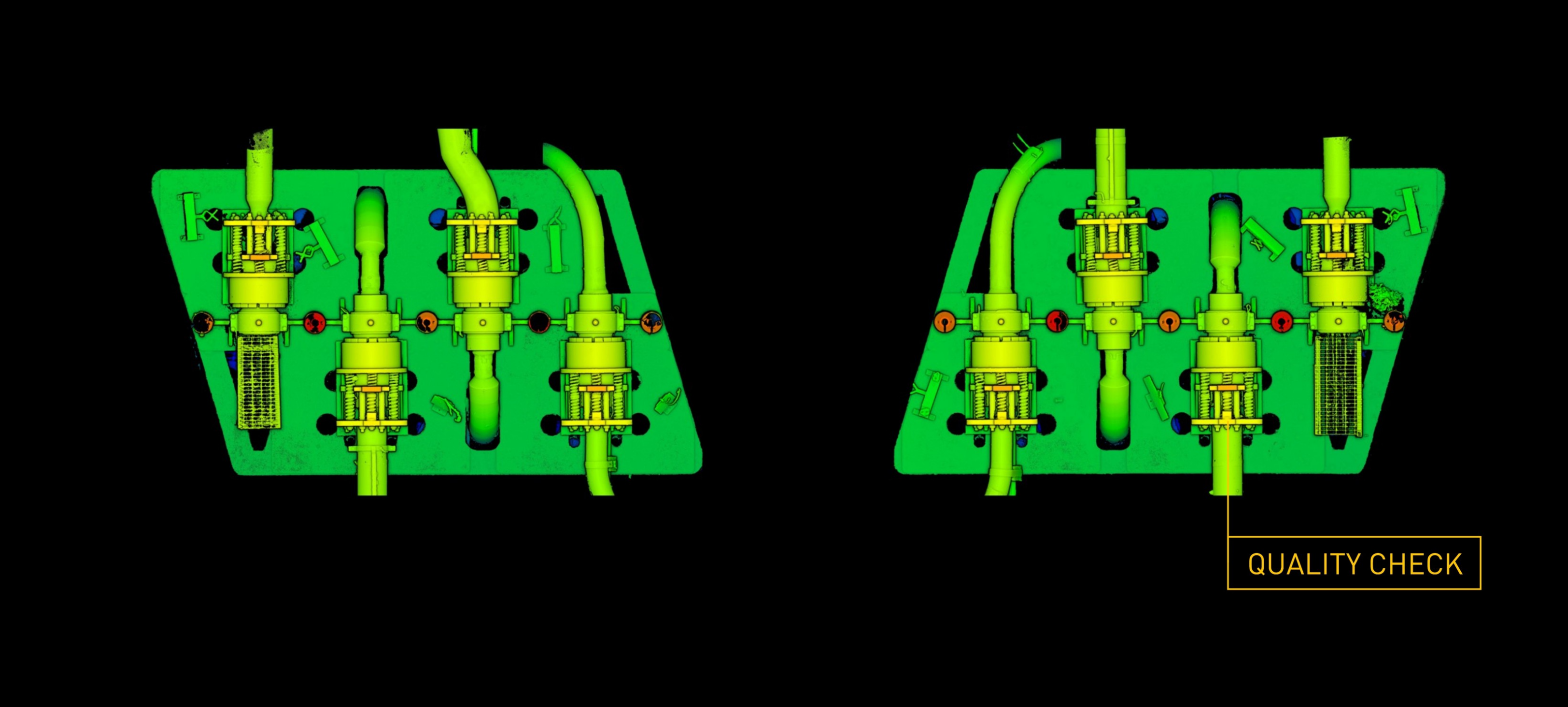
Viewport3 were approached by a returning Norwegian customer who identified a need to apply a layer of hydrophobic ‘gel’ around several hydrocarbon flowline connectors. With the field having achieved first oil an incredible 38 years ago, the client rightly decided that relying on the original CAD may lead to unnecessary risk, and that creating a 3D ‘as-is’ version of the area would ensure the recovery team were working to the most accurate information possible and ensuring project schedule compliance. Viewport3 have helped customers ensure a first-time-fit on more than 25 occasions.
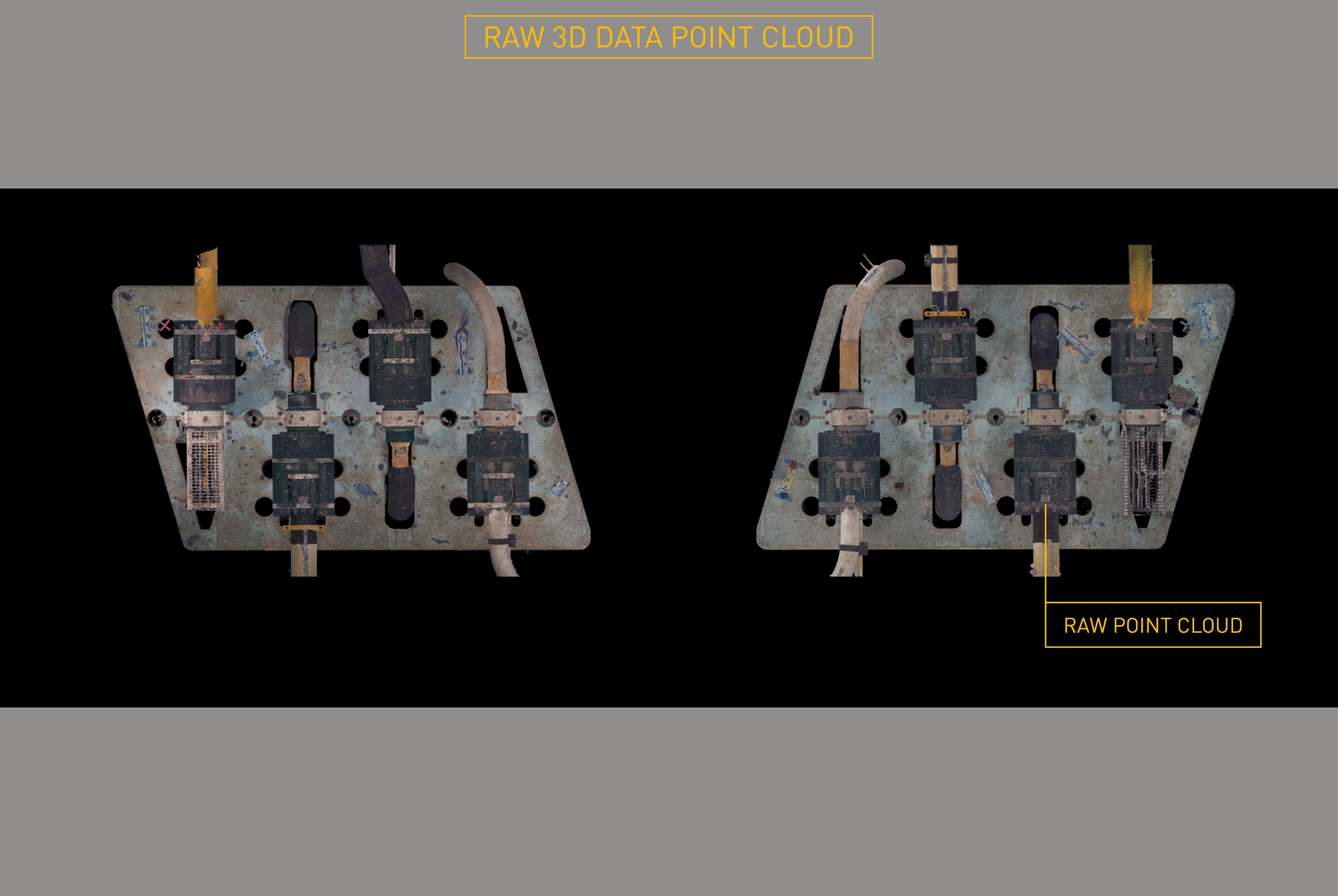
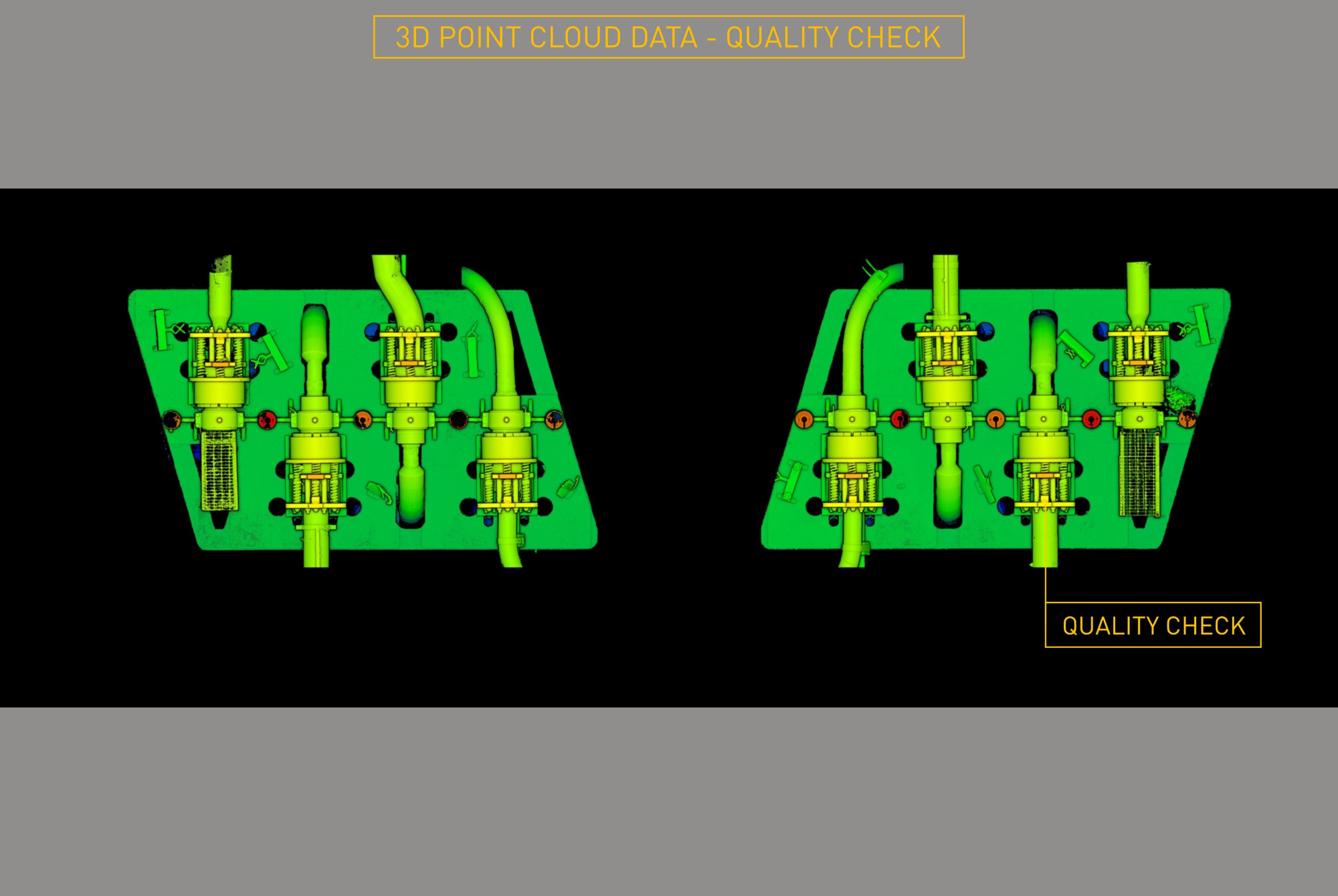
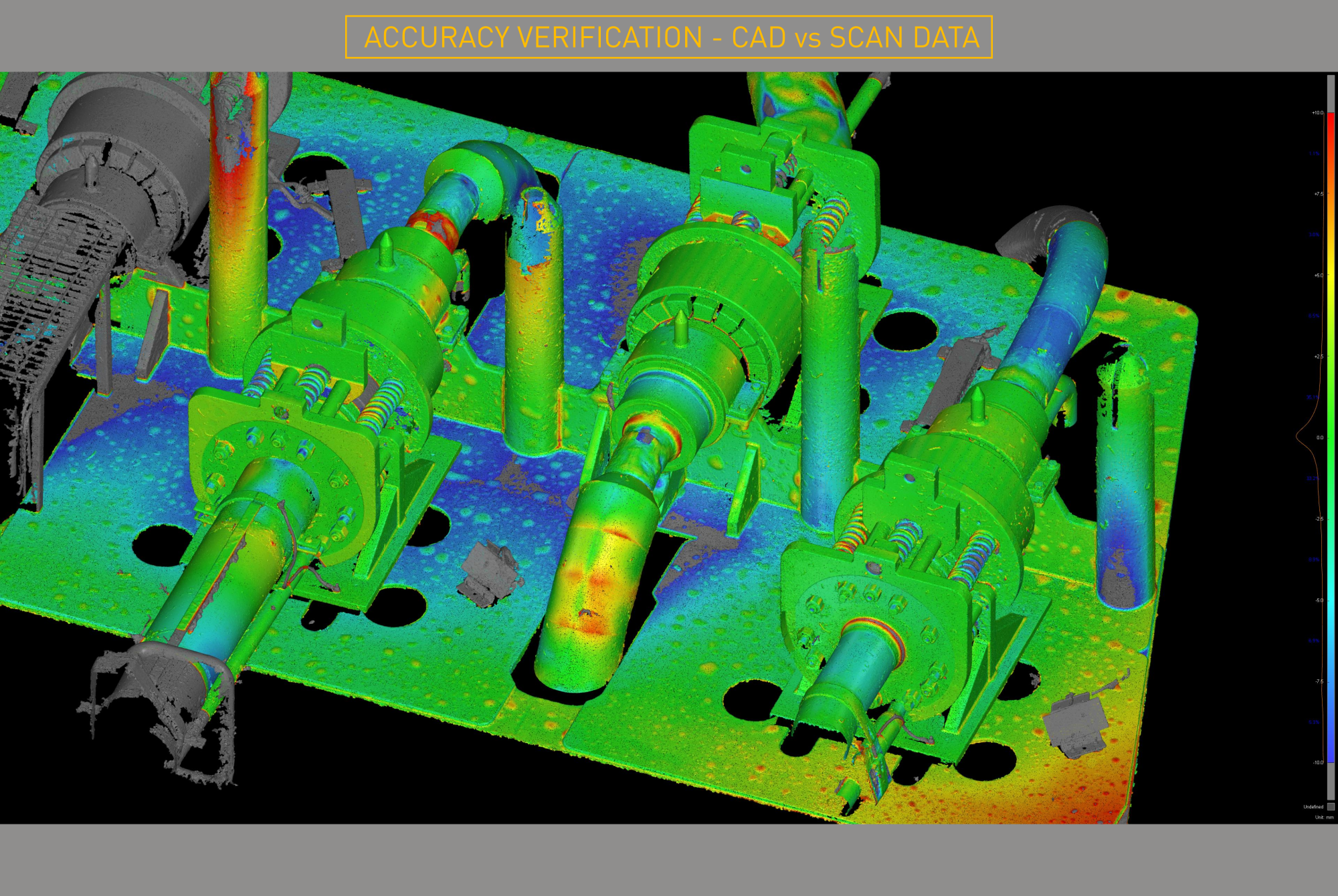
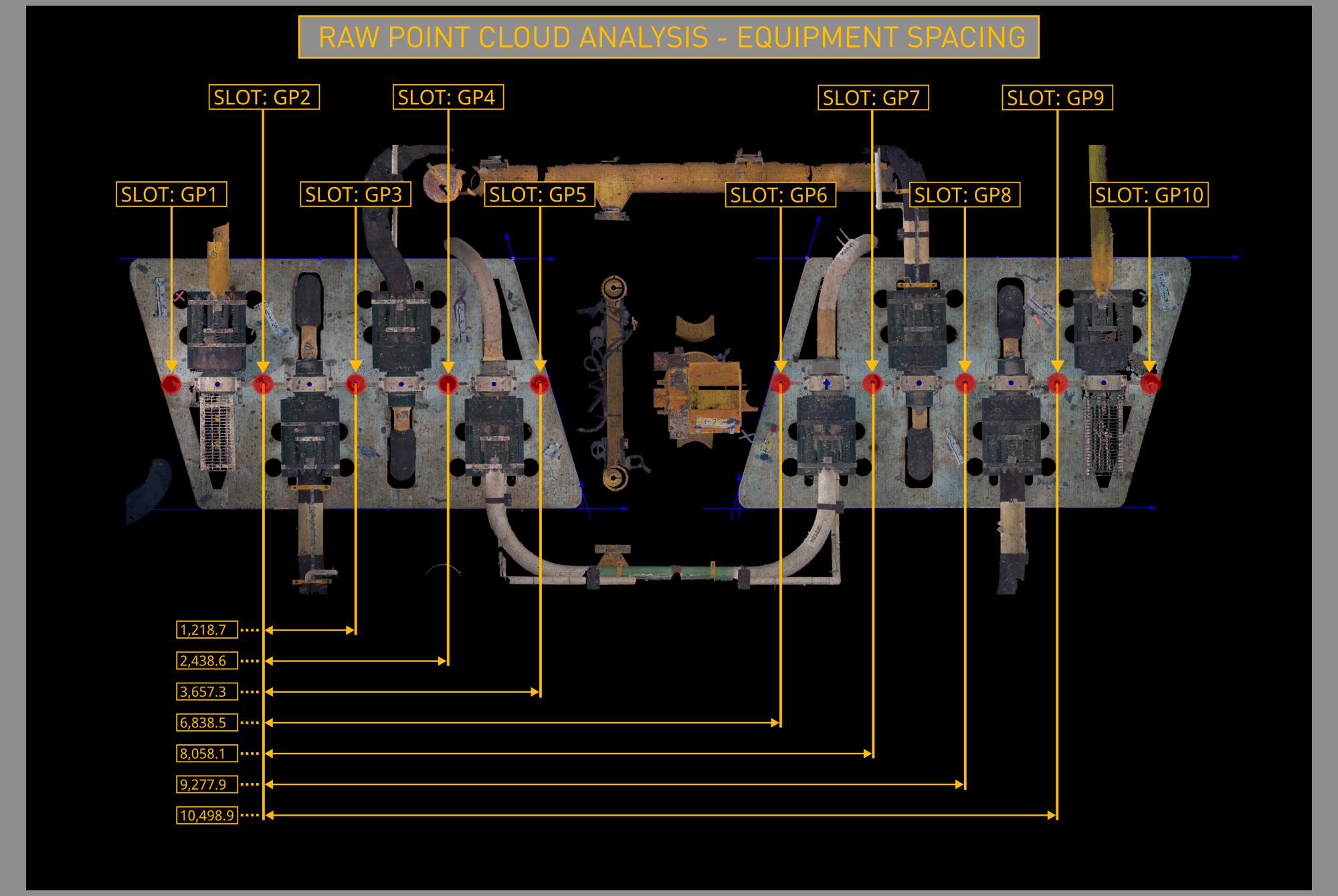
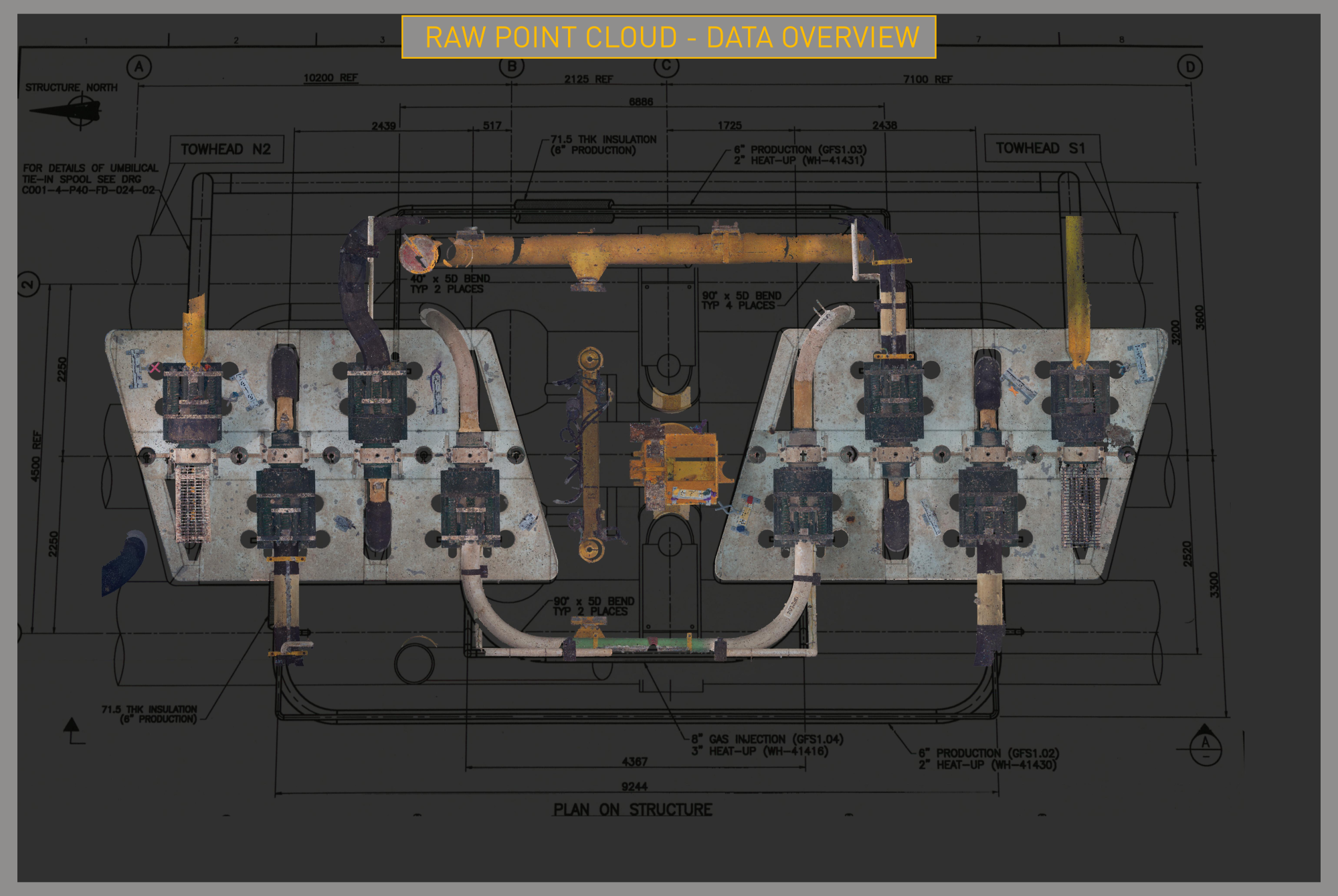
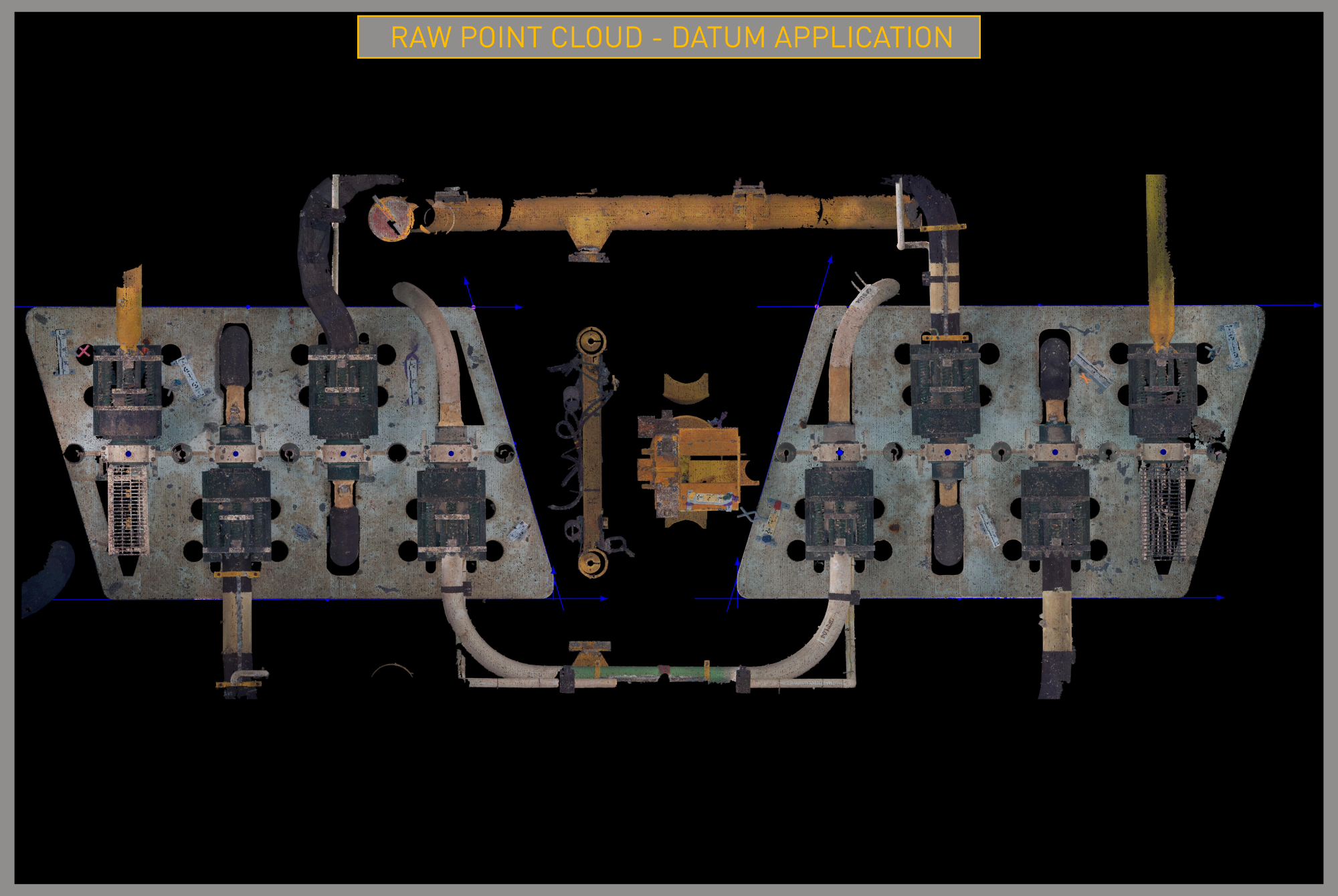
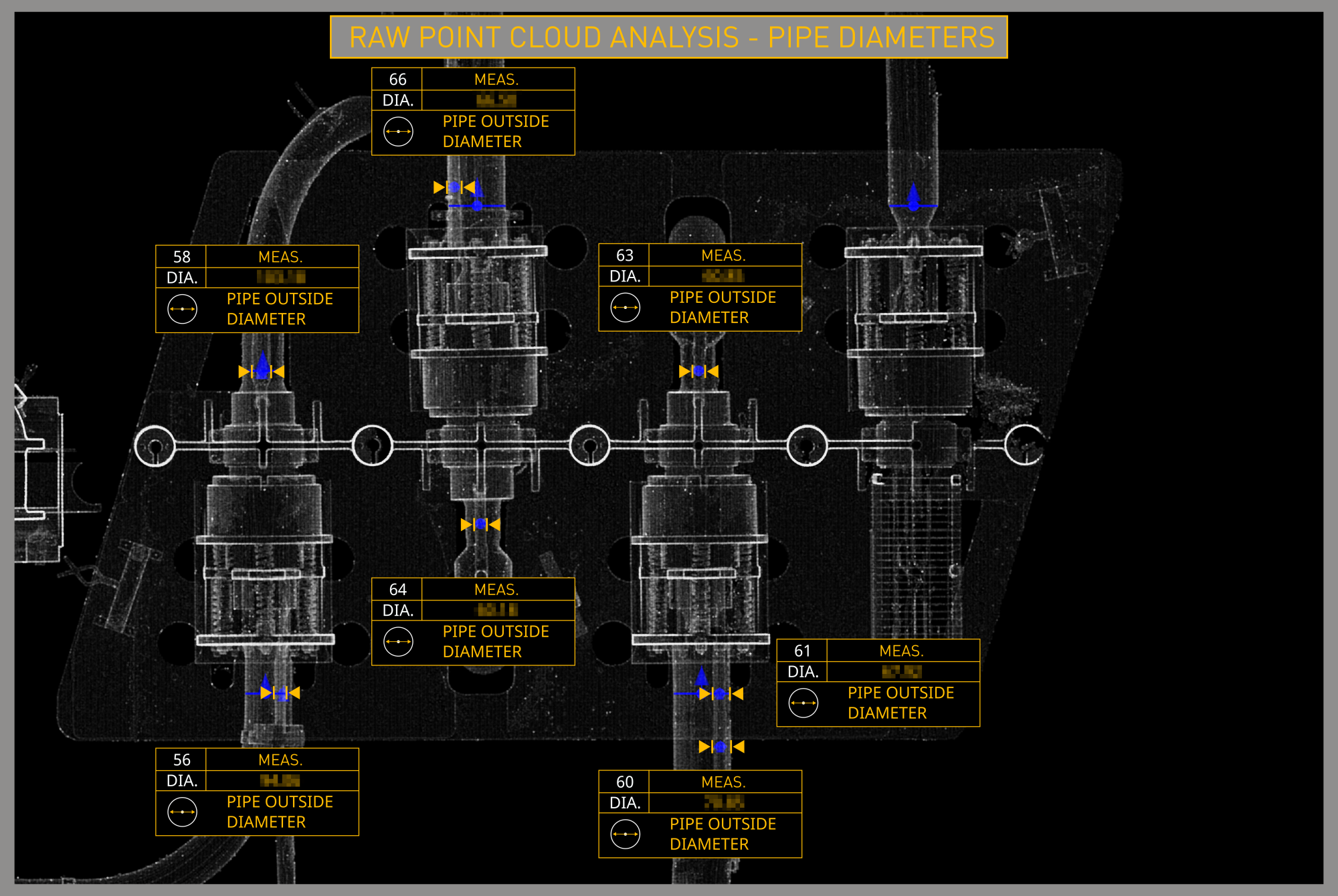
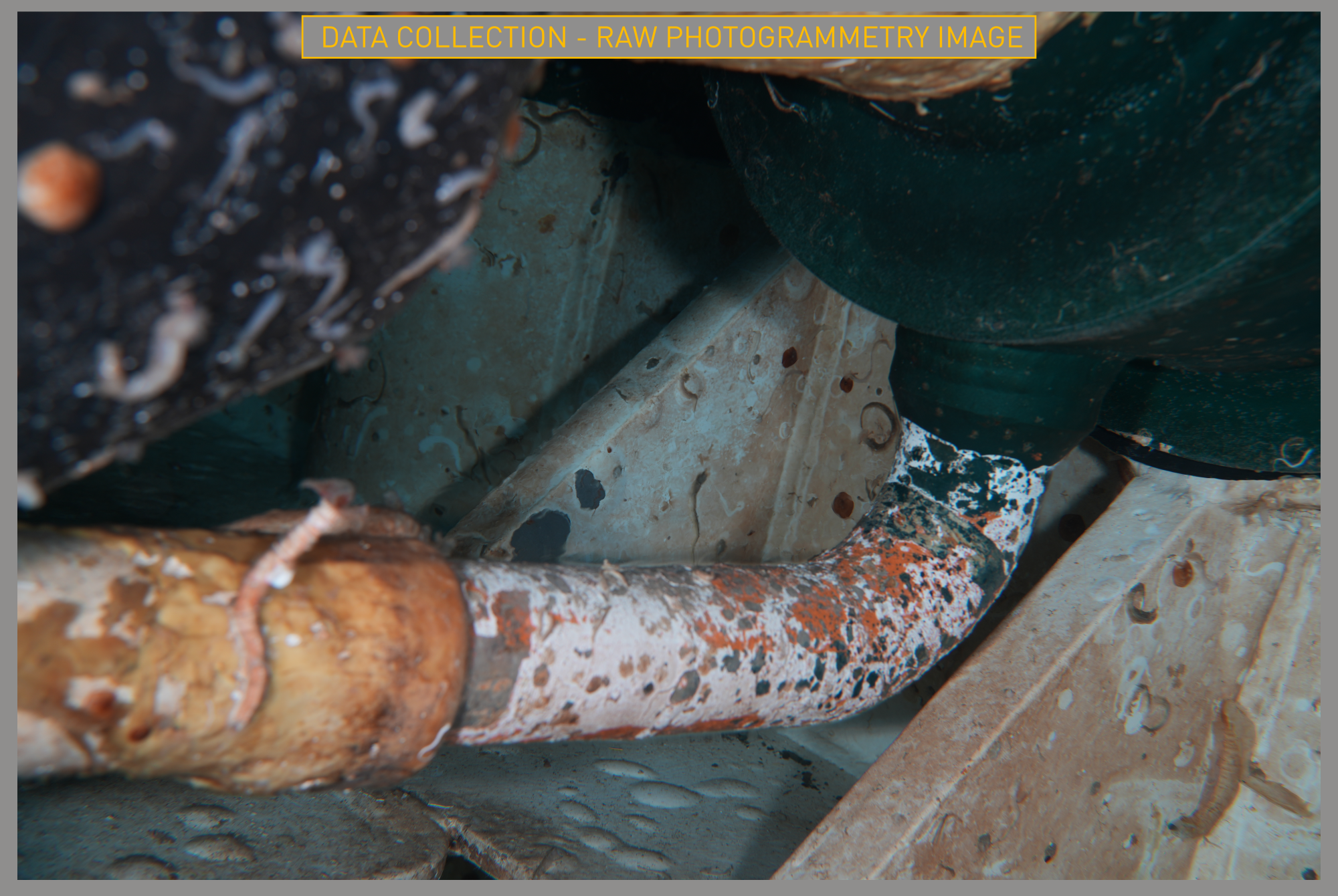
Having completed multiple projects for the same operator, Viewport3 suggested that our in-house designed ‘ZECO’ prototype ROV camera would offer an improved data collection schedule, as well as increasing the fidelity and accuracy of the 3D dataset. With its 60 mega-pixel resolution, immediate image upload and adjustable dual strobe system, the camera was integrated to the ROV and deployed as the primary data collection camera for the project. The camera performed flawlessly, and the data collection and 3D photogrammetry verification activities were completed without incident.
To enable the ‘enclosing’ of the connectors in the hydrophobic solution, it was necessary to design a ‘mould’ which could be easily fitted to the support plate which the connectors were mounted to. This would then allow the product to be injected between connector and mould, thus preventing sea-water contact with the hardware.
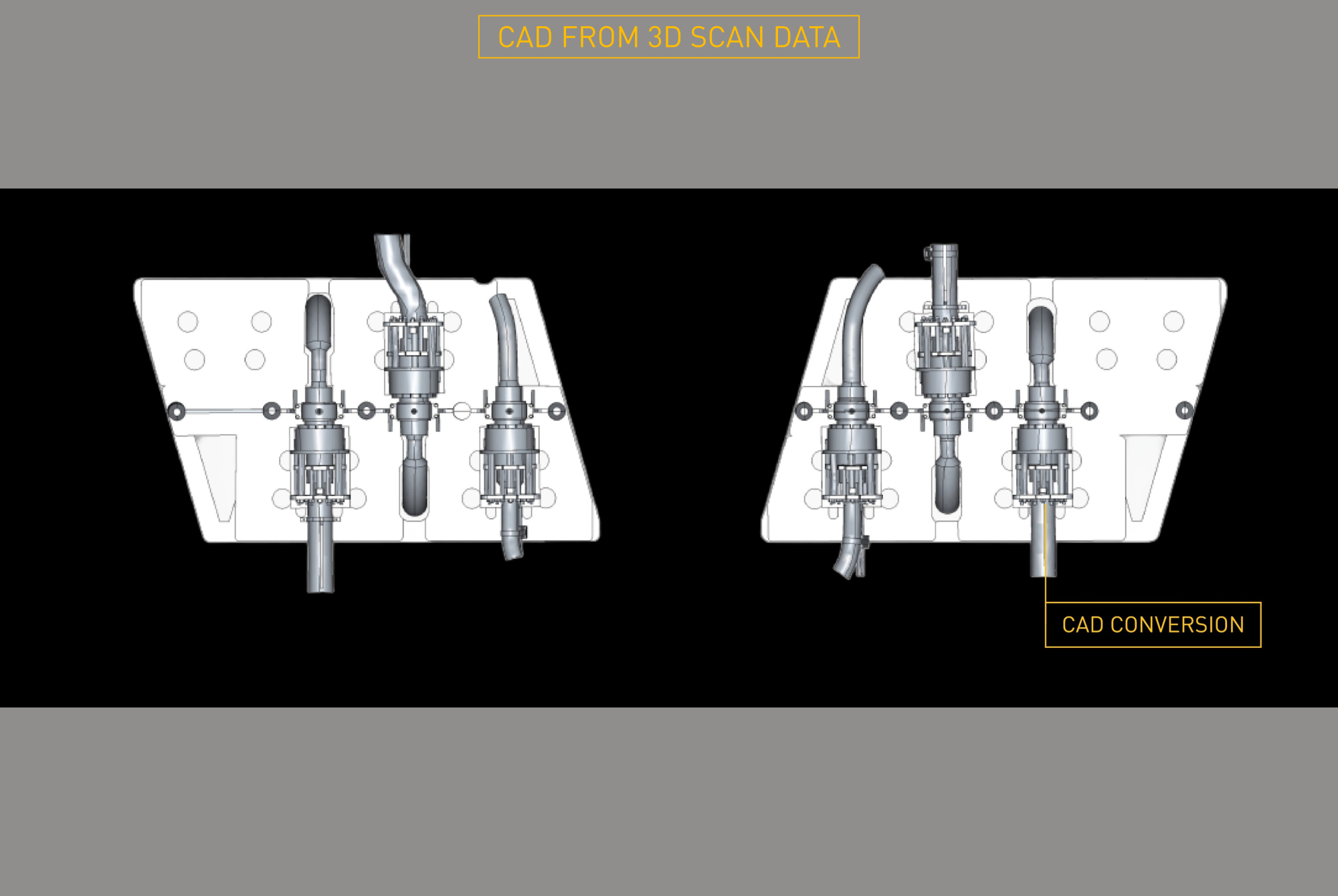
The party responsible for the design of the ‘mould’ requested that Viewport3 deliver the data in a CAD format — a deliverable of our point cloud to CAD reverse engineering process — with the ‘STEP’ file format being chosen as the best transmission method, due to it being ‘generic’ and usable across all 3D CAD platforms. Following transmission, the data was confirmed by the 3rd party as being suitable for the purpose and the project continued toward its intended goals.
